Åsnes
Ingstad BC
Kampaaniahind 399,90 €
(318,65 €, käibemaks 0)
(318,65 €, käibemaks 0)
Laos
(21)

This article is created in collaboration with Retkironski. Original source: Ronja Berlin / @retkironski.
Winter hiking – and especially overnight trips in winter – can feel a bit daunting at first.
How do I stay dry? Will I get cold during the day? What about at night? If I get cold, how do I warm up again outdoors? Are my gear and equipment suitable for winter use?
These are all excellent questions. By considering them, you ensure you are well prepared for your winter adventure.
Let’s go through the most important basic principles of winter hiking through these questions.
In winter, the biggest challenge is usually not the cold, but sweating. If you had to set one main goal for your trip, it would be this: move in a way that you don’t sweat.
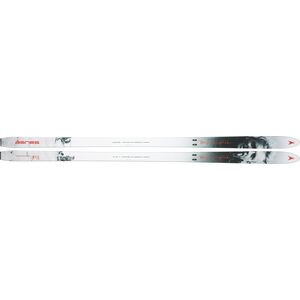
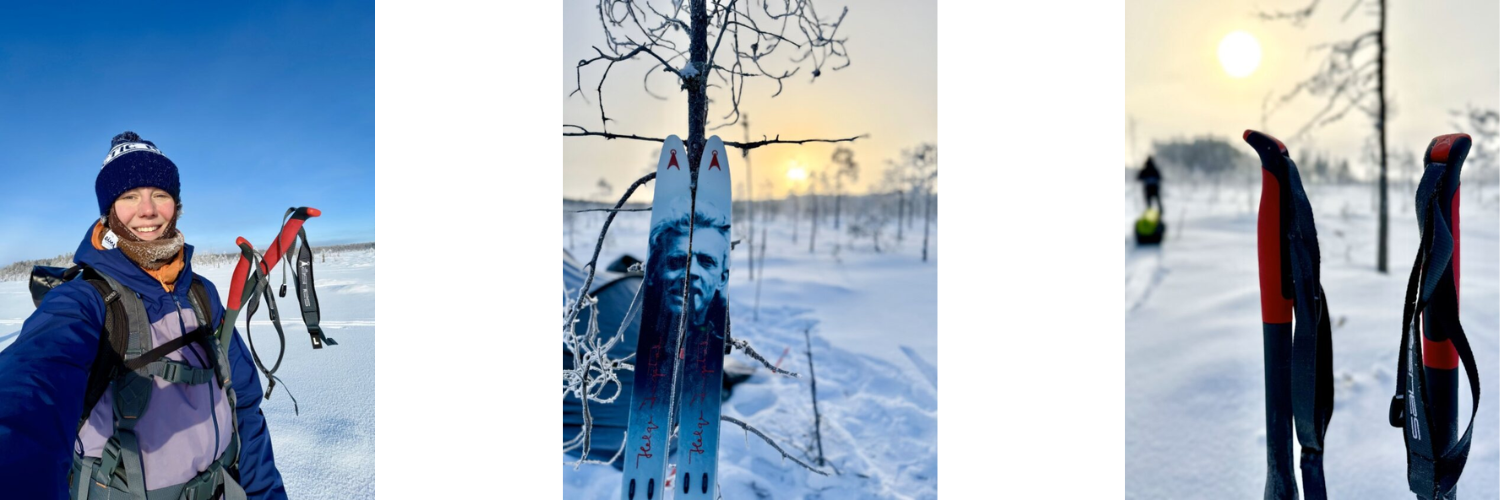
Choosing the right mode of movement for the terrain is important, as it also determines how you carry your gear. On a winter trek, you often move on skis or snowshoes and transport your equipment in a pulk (sled). This way, you avoid carrying a heavy backpack and getting your back wet from sweat.
A common mistake is to wear too much clothing when starting out. Choose your clothes so that you feel even a bit chilly when you set off.
Example of clothing for a winter trek in severe frost:
mesh base layer
merino wool or technical base layer
shell jacket and pants
buff, beanie, and gloves
Layering is essential, and adjust your clothing in time—before you start to sweat.
Many outdoor clothes have ventilation zippers, which are useful in winter as well. Through vents, excess heat and moisture can escape from inside the garment.
During the day, it’s easy to regulate your body heat by moving. A calm and steady pace keeps you warmer than a fast pace with long breaks.
A proven rhythm is, for example, 50 minutes of movement and 10 minutes of break. This way, you stay warm and get regular energy and hydration.
During breaks, it’s important to add layers immediately when you stop, so the warmth you’ve built up doesn’t escape. A light and packable down jacket is excellent for this.
If you arrive at camp with sweaty clothes, change into dry layers as soon as possible. Slightly damp clothes often dry on your body with your own heat, as long as you put on more warm layers.
Material choices matter a lot. A mesh base layer efficiently wicks moisture away from the skin, and merino wool or wool on top works well as an insulating layer. Avoid cotton, as it dries slowly and feels cold when wet.
If you feel cold in the evening before going to bed, warm up by moving before getting into your sleeping bag. This way, the bag warms up faster from your body heat.
You can also get extra warmth from a hot water bottle: boil water in a bottle that can withstand boiling water (e.g., Nalgene), slip the bottle into a sock, and take it into your sleeping bag. The bottle will provide warmth well into the night. This works well in other seasons too.
Dress in as many warm layers as needed in your sleeping bag, and remember to tighten the hood opening so that warm air stays inside the bag.
Winter hiking may seem gear-intensive, but you don’t need to buy everything separately. Many existing items can be used in winter as well.
A good example is the sleeping bag. If you already have a summer bag and a 3-season bag, you can often combine them for winter use. The combination adds a surprising amount of insulation.
For sleeping pads, insulation is crucial, as the cold radiates from the ground. You can add a foam pad on top of a 3-season pad to significantly improve overall insulation.
I personally use a sleeping pad with an R-value of 8.5 year-round. So I’ve invested in one high-quality pad that serves me in all conditions throughout the year.
If you don’t have a winter tent, you can first try sleeping in a lean-to or, in good weather, even under the open sky in your own yard. This way, you get a feel for winter conditions without major gear purchases. Guided winter hikes are also a good way to try out gear and overnighting safely.
For cooking in winter, a multi-fuel stove is often used, as it works reliably in freezing temperatures. For your first trips, especially day trips, it’s a good idea to prepare hot food in advance in a food thermos. This also lets you test which camping meals work in winter.
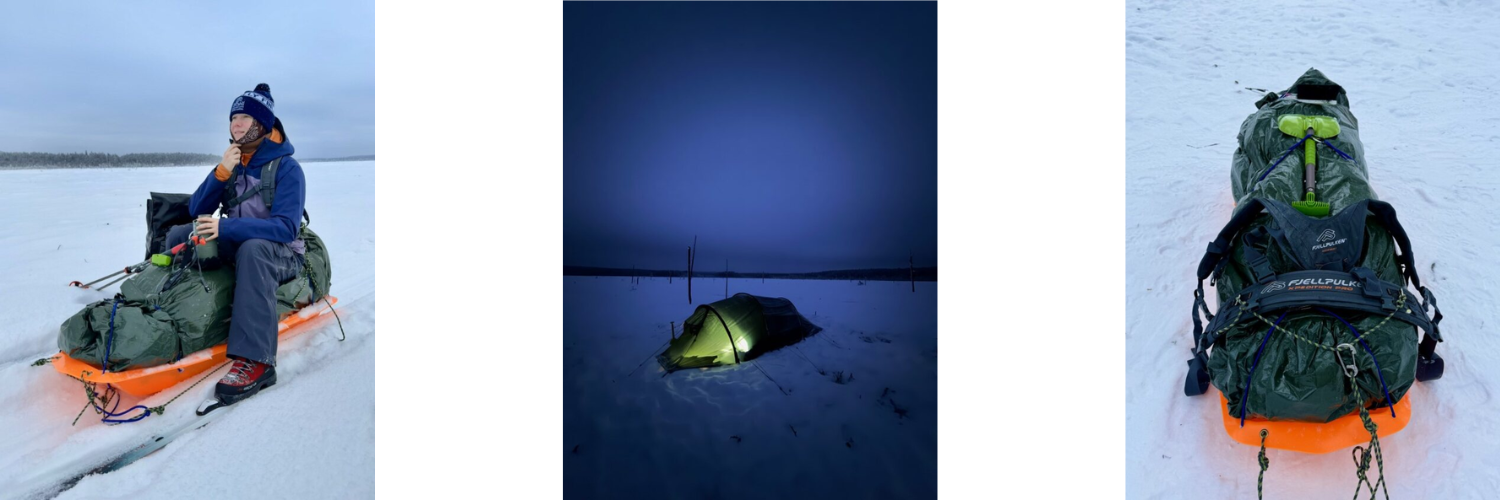
Start small and experiment.
In winter, it’s also good to learn to tolerate a bit of discomfort, as you will inevitably get cold at times. As you gain experience, you’ll quickly learn what you really need from your gear and what you can manage with even on longer trips.
When buying new gear, it’s worth choosing high-quality and versatile options. This way, your gear will serve you for a long time and in different seasons. Be bold and try it out—experience builds trip by trip, and winter adventures will stay in your memory.