Sportágak»Szabadtéri tevékenységek»Cipők»Mezítlábas cipők»Női»
VivoBarefoot
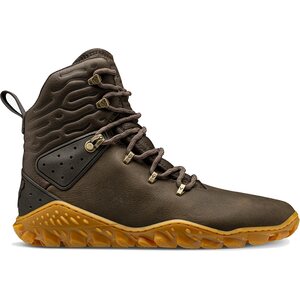
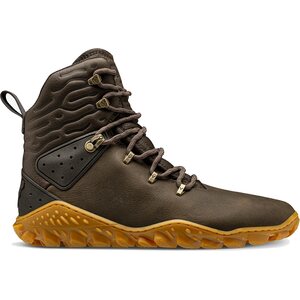
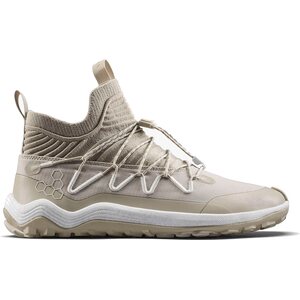
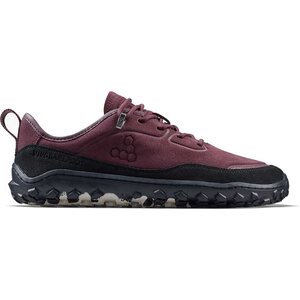
Tracker Forest Esc Womens
Akciós ár 229,42 €
(182,80 €, ÁFA 0)
(182,80 €, ÁFA 0)
Azonnal raktáron
(24)

In partnership with VivoBarefoot
For many of us, a stiff-collared hiking boot has been the one and only choice for the trails for decades. Traditional shoes have their place, but an interesting challenger has risen alongside them: barefoot shoes.
There are many beliefs associated with barefoot shoes that may discourage people from trying them. Let's look at five common myths from a new perspective.
It is true that a thick sole protects against sharp rocks, but at the same time, it numbs the sensory perception of the sole of the foot. The idea of barefoot shoes is to restore the connection to the ground: when you feel the shapes of the terrain, your body can react to irregularities faster and more accurately. It’s not about a lack of protection, but about active stability that your feet learn to create themselves.
A high collar feels secure, but in the long run, it can passivate the ankle's own supporting muscles. In barefoot shoes, the foot can move naturally, which strengthens the muscles and tendons surrounding the ankle. When the ankle learns to support itself, movement becomes more confident even in challenging terrain.
It is often thought that extra weight on your back automatically requires more supportive footwear. In reality, it’s more about habit and strength. As your feet gradually strengthen, a lighter shoe can work excellently even on heavier treks, as the foot's natural suspension mechanism can then be fully utilized.
Warmth doesn't just come from insulation, but also from blood circulation. A stiff and tight-fitting shoe can sometimes restrict the work of the small muscles in the foot and thus weaken surface circulation. In a barefoot shoe, the toes have room to move and the muscles of the sole are constantly working, which keeps the ”engine” running and the feet warm.
A stiff shoe helps the foot endure if muscle strength is still developing. However, barefoot walking is a journey: you can start with shorter day trips and lengthen the distances as your body adapts and strengthens. It doesn't exclude traditional shoes, but gives you the opportunity to enjoy nature with an even lighter step.
Barefoot walking is not just a passing trend, but a way to restore the foot to its natural functional state. When small muscles are activated, the stride becomes more economical and the alignment of the entire body improves.